Tagged: psychology and politics
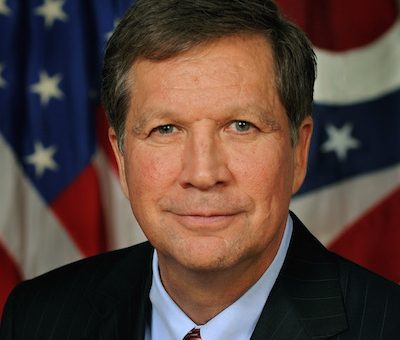
Summary: A psychological analysis of Ohio governor John Kasich — a contender for the Republican nomination in the 2016 presidential election — by Timothy Immelman, Katherine Jennissen, Brianna Kupser, Jeremy Reller, Samantha Womeldorf, Joe Trenzeluk, and Aubrey Immelman, Ph.D., at the Unit for the Study of Personality in Politics, revealed that Kasich’s primary personality patterns are Dominant / asserting and Accommodating / cooperative, with secondary Ambitious / confident and Outgoing / congenial features. In summary, Kasich’s personality composite can be characterized as a “forceful mediator.”
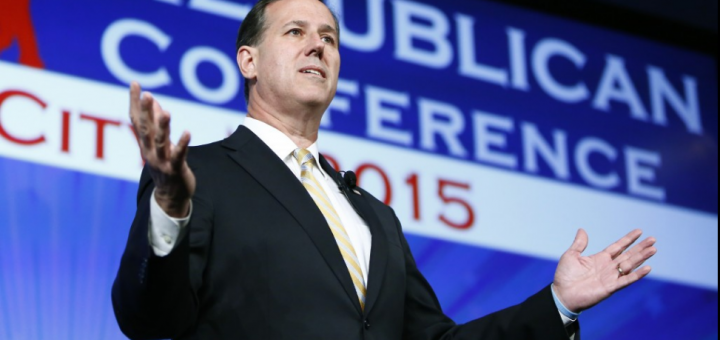
Summary: A psychological analysis of former Pennsylvania senator Rick Santorum, conducted in spring 2012 by Beth Peichel, Amanda Nusbaum, Feiran Chen, Sara Duxbury, Wade Kohls, Rachel Heying, and Aubrey Immelman, Ph.D., at the Unit for the Study of Personality in Politics revealed that Santorum’s primary personality pattern is Conscientious/dutiful, with secondary features of the Dominant/controlling and Ambitious/confident patterns — a personality pattern very similar to that of likely Republican nominee in the 2012 U.S. presidential election, Mitt Romney.
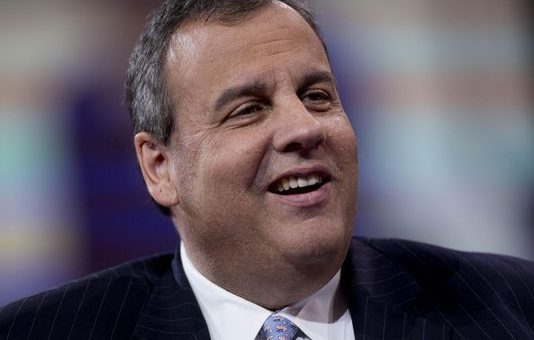
Summary: Psychological analysis of former New Jersey governor Chris Christie — a contender for the Republican nomination in the 2016 and 2024 U.S. presidential election — revealed that Christie’s primary personality pattern is Dominant/controlling, supplemented by secondary Ambitious/confident and Dauntless/adventurous patterns and subsidiary Outgoing/congenial and Contentious/resolute features — a personality composite best described as a “high-dominance, self-confident, risk-taking extravert.”
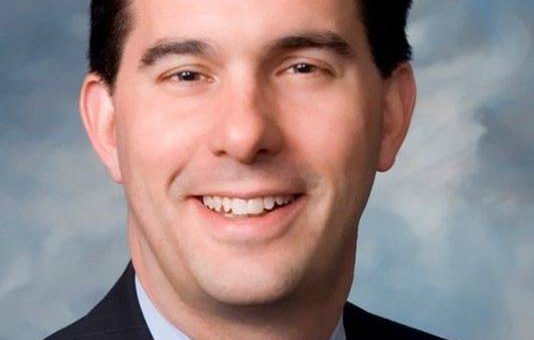
Summary: A psychological analysis (conducted summer 2015) of Wisconsin governor Scott Walker — a contender for the Republican nomination in the 2016 presidential election — by Joe Trenzeluk and Aubrey Immelman, Ph.D., at the Unit for the Study of Personality in Politics, revealed that Walker’s predominant personality pattern is Conscientious/dutiful and Dominant/controlling, with secondary Ambitious/confident features — a personality composite best characterized as a “conscientious enforcer.”
Summary: Psychological profiling conducted in 2016 indicated that Sen. Bernie Sanders’ primary personality patterns are Dominant/controlling and Contentious/resolute, with secondary Ambitious/confident features. In summary, Sanders’s personality composite can be characterized as a “deliberative nonconformist.”
Summary: A psychological analysis (conducted summer 2015) of former Florida governor Jeb Bush — a contender for the Republican nomination in the 2016 presidential election — by Atarah Pinder and Aubrey Immelman, Ph.D., at the Unit for the Study of Personality in Politics, revealed that Walker’s predominant personality pattern is Conscientious / dutiful and Retiring / aloof, with secondary Dominant / asserting features — a personality composite best characterized as a “conscientious, forceful introvert.”
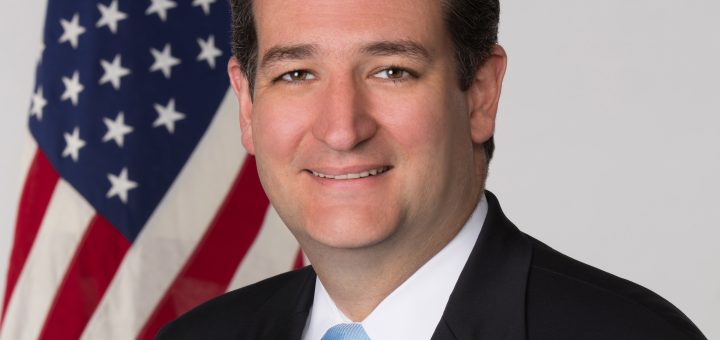
Summary: A psychological analysis of Texas senator Ted Cruz — a contender for the Republican nomination in the 2016 presidential election — by Atarah Pinder and Aubrey Immelman, Ph.D., at the Unit for the Study of Personality in Politics, revealed that Cruz’s primary personality pattern is Dominant / forceful, with secondary Ambitious / confident and Dauntless / Adventurous features and less prominent Outgoing / congenial and Contentious / resolute tendencies. In summary, Cruz’s personality composite can be characterized as a “risk-taking, confident controller.”
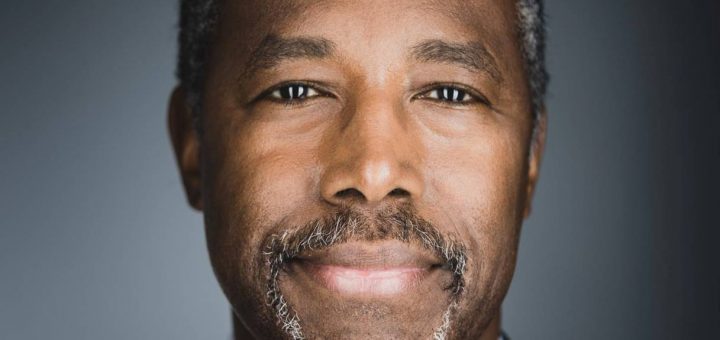
Summary: A psychological analysis (conducted summer 2015) of retired pediatric neurosurgeon Dr. Ben Carson — a contender for the Republican nomination in the 2016 presidential election — by Hannah Hoppe and Aubrey Immelman, Ph.D., at the Unit for the Study of Personality in Politics, revealed that Carson’s most prominent personality patterns are Dominant/assertive, Ambitious/confident, and Conscientious/respectful. In summary, Carson’s personality composite can be characterized as a “confident, deliberative organizer.”
Summary: A psychological analysis of Texas senator Ted Cruz — a contender for the Republican nomination in the 2016 presidential election — by Atarah Pinder and Aubrey Immelman, Ph.D., at the Unit for the Study of Personality in Politics, revealed that Cruz’s primary personality pattern is Dominant / forceful, with secondary Ambitious / confident and Dauntless / Adventurous features and less prominent Outgoing / congenial and Contentious / resolute tendencies. In summary, Cruz’s personality composite can be characterized as a “risk-taking, confident controller.”
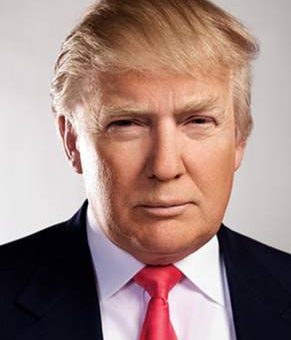
Summary: A psychological analysis (conducted summer 2015) of real estate mogul and television celebrity Donald Trump — a contender for the Republican nomination in the 2016 presidential election — by Hannah Hoppe and Aubrey Immelman, Ph.D., at the Unit for the Study of Personality in Politics, revealed that Trump’s predominant personality pattern is Ambitious/self-serving (a measure of narcissism) with secondary features of the Dominant/controlling and Outgoing/gregarious patterns — a personality composite best characterized as a “high-dominance charismatic.” … October 2016 update: Donald Trump’s predominant personality patterns are Ambitious/exploitative (a measure of narcissism) and Outgoing/impulsive, infused with secondary features of the Dominant/controlling pattern, and supplemented by a Dauntless/adventurous tendency. This particular personality composite can be labeled “amorous narcissism” or, in political terms, “high-dominance charismatic” — charismatic by virtue of the highly elevated primary Ambitious–Outgoing amalgam.








Follow Aubrey Immelman